
Last Updated: November 4, 2026
Quick Summary
To choose a criminal defense attorney, first confirm they regularly handle your specific type of charge, such as a DUI, drug, theft or gun offense. Then check their trial experience and familiarity with your county’s courts, and get clear, written answers about fees and communication before you commit.
- Ask how often the attorney handles your specific charge type and how recently they tried such a case.
- Confirm the attorney regularly practices in the courthouse where your case is pending, such as Lehigh or Northampton County.
- Ask who will actually work on your case and how you will receive updates.
- Be wary of any attorney who guarantees a specific outcome before reviewing your file.
- Get the fee scope in writing, including which stages, such as the preliminary hearing, the retainer covers.
Table of Contents
- Why Your Choice of Criminal Defense Attorney Matters in Pennsylvania Cases
- Match the Attorney’s Experience to Your Specific Charge
- What to Expect From a Criminal Defense Attorney Consultation
- Questions to Ask a Criminal Defense Attorney Before You Hire Them
- Red Flags That Suggest a Criminal Defense Attorney Is Not the Right Fit
- What Not to Say to an Attorney Before Your First Meeting
- Scheduling Your Consultation With Donohue Law, LLC in Allentown
- Frequently Asked Questions
Why Your Choice of Criminal Defense Attorney Matters in Pennsylvania Cases
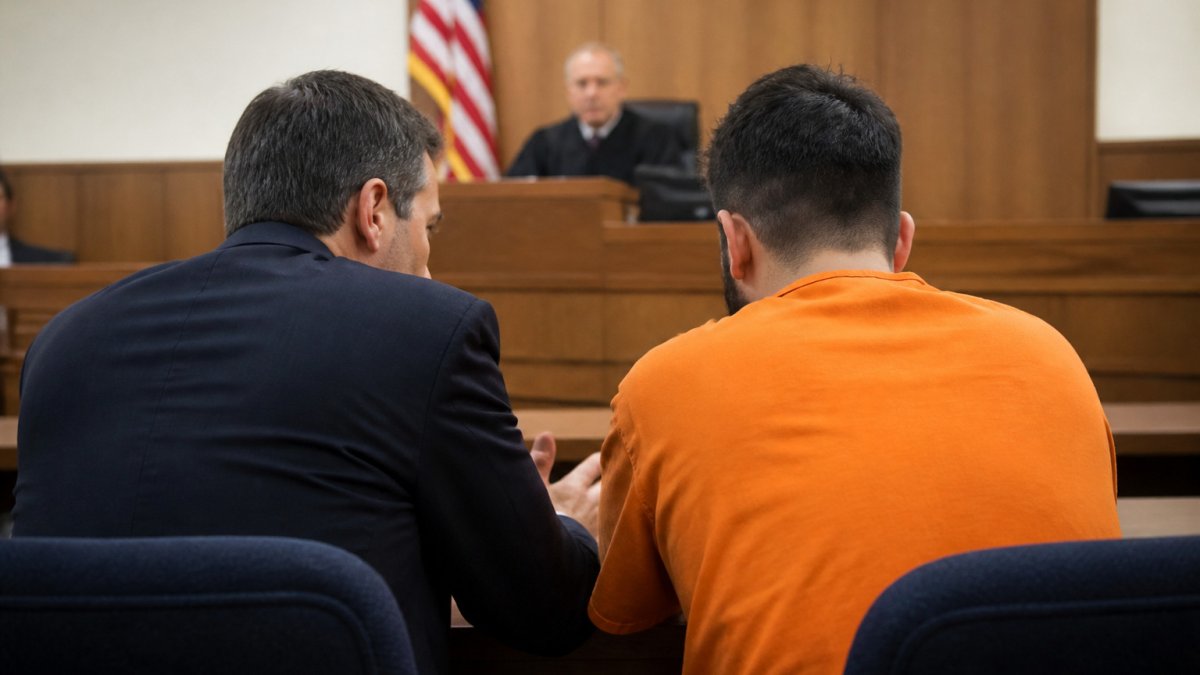
Choosing a criminal defense attorney is one of the most consequential decisions you will make after an arrest or charge. Pennsylvania’s criminal courts move quickly, and early decisions often set the course of the case. (Source: the complexities of the legal system)
A criminal conviction can follow you for years, affecting employment, housing, professional licensing and firearm rights. The outcome of any charge depends on the specific facts, the evidence, the charge itself and the court involved, so no lawyer can guarantee a result. What you can control is the quality of the representation you hire.
Match the Attorney’s Experience to Your Specific Charge
A lawyer who handles traffic matters is not necessarily prepared for a felony drug case or a violent-crime trial. Start by asking whether the attorney regularly handles the type of charge you face, whether that is a DUI, a drug offense, a theft or shoplifting allegation, a violent crime or a gun charge. You can review the attorney’s background on the attorney profile of Michael Donohue to see how his prosecutorial and public defense experience applies to different charge types.
Specialized training matters too. Ask the attorney how often they litigate those specific issues rather than resolve them quickly.
Trial Experience Versus Plea Negotiation Experience
Many cases resolve without trial, but the strength of your lawyer’s trial skills still shapes the negotiation. A prosecutor is more willing to offer a reasonable resolution when they know the defense is prepared to try the case. Ask directly how many jury and bench trials the attorney has handled and how recently.
Plea negotiation experience matters just as much. A lawyer who has worked on the prosecution side understands how charging decisions are made. For a closer look at that perspective, read about how a former prosecutor’s insight can benefit a criminal defense case.
Local Court Knowledge in Lehigh and Northampton Counties
Local practice matters. Each county may have its own court procedures and scheduling practices. An attorney who regularly appears in your county’s courtroom may be better positioned to understand how a case will move.
Donohue Law, LLC represents clients throughout Lehigh County and Northampton County, including Allentown, Bethlehem and Easton. If your case is pending in either county, confirm that the attorney regularly practices in that courthouse.
What to Expect From a Criminal Defense Attorney Consultation
A consultation is your chance to evaluate the attorney as much as they evaluate your case.
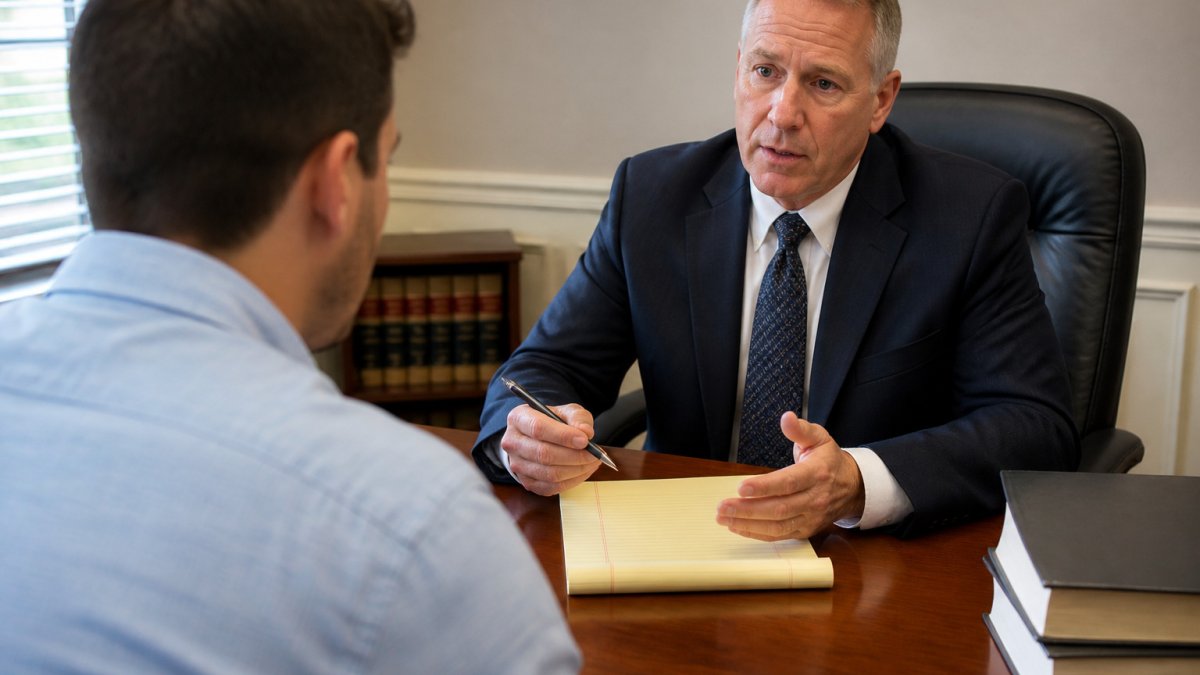
Bring the paperwork you have, the criminal complaint or citation, the preliminary hearing notice, any bail or conditions of release, and the charging documents if they have been filed.
Pay attention to how the attorney communicates. Do they explain Pennsylvania procedure in plain language? Do they ask detailed questions about the stop, the search, the arrest, and what you said to police?
The Soft Skills Competitors Skip
Checking credentials is only part of the evaluation; the working relationship also matters. Ask yourself whether you want an attorney who is aggressive and confrontational at every stage, or one who is calm and explanatory and will walk you through each step. Neither style is universally right; the question is which one you can work with for months under stress. If you are helping a family member who was charged, ask how the attorney communicates with family members and whether you will be included in updates.
Plea Bargain Versus Trial Philosophy
Ask directly how the attorney decides whether to negotiate a resolution or take the case to trial. A useful answer describes a process: reviewing discovery, evaluating the strength of the Commonwealth’s evidence, considering suppression motions, and weighing the collateral consequences of a conviction against the risks of trial. A vague answer, ‘we fight every case’ or ‘most cases settle’, tells you little. In Pennsylvania, many cases do resolve through negotiation, but the strength of your position in those negotiations depends on whether the prosecutor believes your attorney will actually try the case. Ask how often the attorney goes to trial and how recently.
Call Us Today: (610) 740-4402 →
Fees and What the Consultation Covers
Ask about cost during the consultation. Fee structures vary, and a clear explanation of what is included, what triggers additional charges, and how payments are handled should be part of the discussion. Ask whether the consultation itself is free or credited toward the retainer, and whether the fee covers the preliminary hearing, pre-trial motions, and trial, or only the initial stages. Fee arrangements may cover different stages of a case, so ask what stage the quoted fee actually reaches. Get the scope in writing.
The article lays out the core things to check during a consultation, which are summarised below.
| Item | What to look for | Why it matters |
|---|---|---|
| Case stage | Shortly after arrest, or before charges are filed | Affects what an attorney can do |
| Bring to meeting | Complaint or citation, hearing notice, bail conditions | Lets the attorney identify key dates |
| Preliminary hearing | Often one of the first formal court events | Shapes early strategy |
| Communication style | Explains procedure in plain language | Predicts the working relationship |
| Trial philosophy | Describes a process, not ‘we fight every case’ | Shows how plea decisions are made |
| Fee scope | Clear, in writing, and states which stages it covers | Avoids surprises later |
Questions to Ask a Criminal Defense Attorney Before You Hire Them
Bring a written list so you do not forget key points under stress. The questions below are organized by what they actually reveal, so you can compare answers across attorneys rather than collecting vague reassurances.
Experience and Charge-Specific Depth
- How many cases like mine have you handled in the last year, and how recently?
- Have you tried cases to a jury or judge in this county, and when was your last trial?
- For a DUI, how often do you litigate breath or blood testing issues? For a drug or gun charge, how often do you file suppression motions based on the stop or search?
- Do you handle ARD petitions and probation violation hearings, and how familiar are you with the judges and procedures in Lehigh County and Northampton County?
Communication and Case Management
- Who will actually work on my case, and will I deal with you or with staff?
- How will I receive updates, phone, email, a client portal, or regular scheduled calls, and how quickly should I expect a response?
- How do you handle urgent developments, such as a new court date, a bail issue, or a probation detainer?
Clients often want to know how they will be kept informed, not just whether the attorney is available. Ask to see how the attorney tracks deadlines and court dates. A lawyer who cannot describe a system for keeping you updated is likely to leave you guessing.
Strategy and Philosophy
- What are the realistic options for my charge, including diversion programs such as ARD where applicable, and what would make you recommend one path over another?
- How do you decide between negotiating a plea and taking the case to trial?
- If the case does not go as planned, what is your experience with post-sentence motions and appeals?
Ask whether the attorney handles post-conviction and appellate work or refers it out, and how that affects continuity if your case needs a second look.
Fees and Scope
- How do you explain fees, and what is included in the retainer?
- Does the fee cover the preliminary hearing, pre-trial motions, and trial, or does it stop at an earlier stage?
What to Avoid Doing Now
- What should I avoid doing or saying before our next meeting?
Pay attention to whether the answers are specific. Vague reassurance is a warning sign. A strong attorney answers with examples, describes a process, and is comfortable saying ‘it depends on the facts’ rather than promising a result.
Red Flags That Suggest a Criminal Defense Attorney Is Not the Right Fit
Several warning signs should prompt you to keep looking:
- Guaranteed outcomes. No honest attorney can promise a dismissal or acquittal before reviewing the evidence.
- Pressure to decide immediately. A serious charge deserves time to weigh your options.
- Unclear fees. If you cannot get a straight answer about cost, expect surprises later.
- No questions about your side of the story. A lawyer who does not ask what happened is not yet evaluating your defense.
- Limited experience in your charge type. A general practitioner may be fine for some matters but underprepared for a serious drug or violent-crime case.
- Poor communication. If calls and emails go unanswered during the consultation stage, expect the same during the case.
What Not to Say to an Attorney Before Your First Meeting
Be honest with your attorney, but be careful where you discuss your case. Avoid posting about the incident on social media, texting details to friends or family, or discussing facts with police without counsel present. Communications with your attorney are generally protected by attorney-client privilege, but conversations with others usually are not.
Gather the documents you have, including arrest paperwork, citations, court notices and any bail conditions, and write down what you remember while it is fresh. Bring those notes to your consultation rather than sharing details in writing with anyone else.
Scheduling Your Consultation With Donohue Law, LLC in Allentown
If you are facing a criminal charge in Allentown, Bethlehem, Easton or elsewhere in Lehigh or Northampton County, early contact gives your attorney time to act before critical court dates. Donohue Law, LLC offers consultations to review your situation and explain the options that may apply to your case. You can contact our office to schedule a meeting, or call us today at (610) 740-4402.
Frequently Asked Questions
What should I look for when choosing a criminal defense attorney in Pennsylvania?
Look for an attorney who regularly handles the type of charge you face, whether that is DUI, drug, theft or violent crime. Courtroom experience matters, because many cases are resolved through plea negotiations but some must be tried before a judge or jury. Ask how often the attorney practices in the Pennsylvania courts where your case will be heard, including Lehigh and Northampton Counties. Outcomes depend on the facts of each case, so use the consultation to judge the attorney’s approach, communication and preparation.
What questions should I ask a criminal defense lawyer during a consultation?
Ask how many cases similar to yours the attorney has handled and how many went to trial. Ask who will work on your case day to day and how you will receive updates. Ask about alternatives such as Accelerated Rehabilitative Disposition where they may apply, and what the realistic next steps are in your case. Ask how fees are structured and what they cover, and write down the answers so you can compare attorneys afterward.
How can I tell whether a criminal defense attorney has experience with my type of charge?
Ask directly how many cases involving your charge the attorney has handled in the last several years and in which courts. Review the attorney’s background, including any prior prosecutor or public defender experience, which can show familiarity with how cases are built and charged. A reputable attorney will answer clearly and will not promise a specific result. You can also ask how they would approach your case in the first few weeks.
What should I avoid saying or doing before speaking with a criminal defense attorney?
Avoid discussing the details of your case with friends, family, coworkers or on social media, since those conversations may not be protected. Do not talk to police or investigators about the facts without counsel present, and do not try to explain your side of the story. Keep any documents you received, and write down what you remember while it is fresh, but share those notes only with your attorney. Speaking with an attorney early helps protect your rights and preserves your options.