
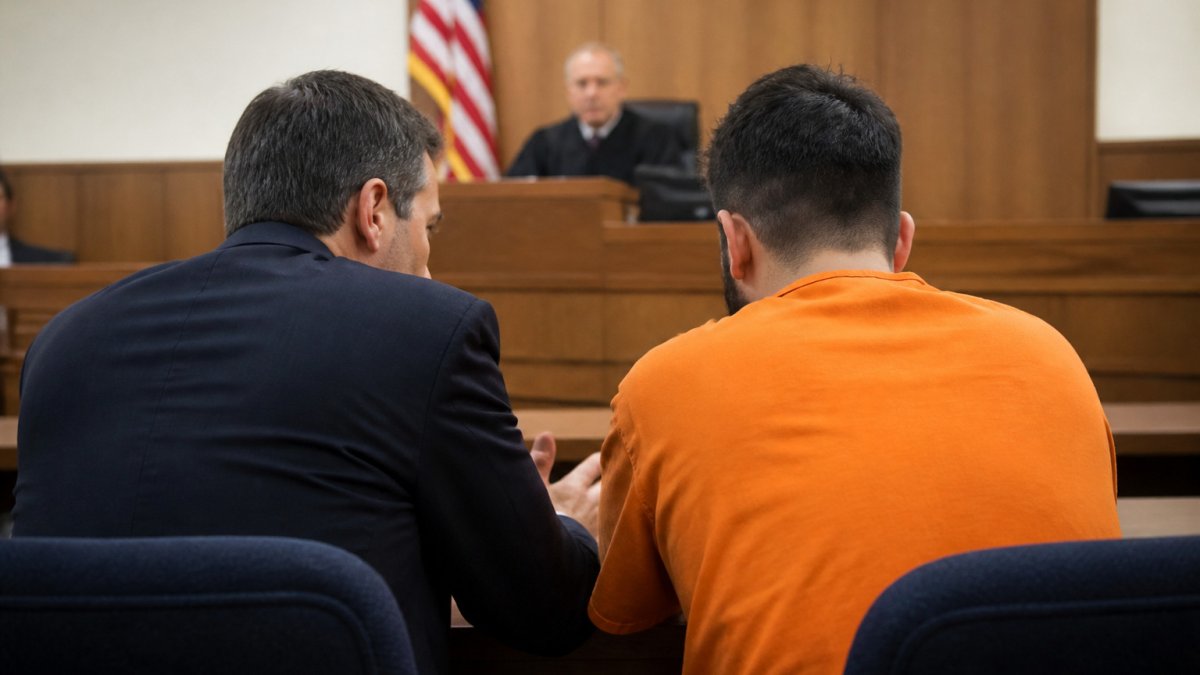
Last Updated: November 2, 2026
Quick Summary
Violent crime charges in Pennsylvania move through several stages, starting with a preliminary arraignment and preliminary hearing before a magisterial district judge, then formal arraignment in the Court of Common Pleas. The preliminary hearing is not a trial, and the prosecution must show a prima facie case. Your defense attorney can challenge evidence, file pretrial motions, and negotiate a plea or prepare for trial.
- Ask for a lawyer and stop answering questions right after an arrest.
- The preliminary hearing is not a trial, and you do not have to prove innocence.
- Pretrial motions to suppress evidence can reshape a case before trial.
- Ask your attorney about collateral consequences before accepting any plea.
- Confirm the next court date and deadline as early as possible.
Table of Contents
- How Violent Crime Charges Move Through Pennsylvania Court
- What Qualifies as a Violent Crime and the Charges You May Face
- What to Do After a Violent Crime Arrest to Protect Your Case
- The Preliminary Hearing in a Pennsylvania Criminal Case
- Reviewing and Challenging the Evidence in a Criminal Case
- Self-Defense and Defense of Others Under Pennsylvania Law
- Choosing Your Next Step for a Violent Crime Defense in Lehigh and Northampton Counties
- Frequently Asked Questions
How Violent Crime Charges Move Through Pennsylvania Court
Facing a violent crime charge in Pennsylvania can feel overwhelming. Understanding the path helps you know what to expect, when to act, and where the real decision points are. (Source: the Sixth Amendment to the U.S. Constitution)
Most cases start with an arrest or a criminal complaint filed by police or a prosecutor.
- Arrest or criminal complaint: Police take you into custody or file a complaint with a magisterial district judge. You should be told the charges. This is the point to invoke your right to remain silent and ask for a lawyer.
- Preliminary arraignment: A magisterial district judge informs you of the charges and sets bail. Bail conditions can vary, and a lawyer can advocate for reasonable conditions.
- Preliminary hearing: Held before a magisterial district judge, this is where the Commonwealth must show a prima facie case, enough evidence that a crime occurred and that you likely committed it. It is not a trial and you do not have to prove innocence. Your attorney can cross-examine witnesses and challenge weak evidence. The case can be dismissed, held for court, or have charges reduced or amended.
- Formal arraignment: The case moves to the Court of Common Pleas in the county where you were charged. You enter a plea (often not guilty at this stage), and the court sets a pretrial schedule. This is also when discovery, the prosecution’s evidence, begins to flow to your attorney.
- Pretrial motions: Your lawyer can file motions to suppress evidence obtained through an unlawful search or seizure, motions challenging identification procedures, and other pretrial requests. These motions can reshape a case before trial.
- Plea negotiations: Many cases resolve through negotiated pleas. A plea is a serious decision, and your attorney should explain the collateral consequences, not just the sentence.
- Trial: If no resolution is reached, a judge or jury decides guilt. Trial preparation includes witness interviews, expert review, and a defense theory built on the evidence.
Every case is different, and outcomes depend on the facts and circumstances of the individual case. Deadlines matter: preliminary hearings are typically scheduled quickly after arrest, and pretrial motion deadlines are set by the court.
Donohue Law, LLC represents clients in Lehigh County and Northampton County, including Allentown, Bethlehem and Easton, so the local court process, from the magisterial district courts through the county Court of Common Pleas, is familiar ground.
Ask your attorney for a written timeline of your case with each court date and deadline. Knowing the next date removes a lot of uncertainty for you and your family.
The main stages of a Pennsylvania violent crime case, and what each one means in practice, are summarised below.
| Stage | What happens | Key point |
|---|---|---|
| Arrest or criminal complaint | Police take you into custody or file a complaint | Invoke your right to remain silent and ask for a lawyer |
| Preliminary arraignment | Magisterial district judge states charges and sets bail | A lawyer can advocate for reasonable bail conditions |
| Preliminary hearing | Commonwealth must show a prima facie case | It is not a trial; you do not have to prove innocence |
| Formal arraignment | Case moves to the Court of Common Pleas | Discovery of the prosecution’s evidence begins |
| Pretrial motions | Motions to suppress evidence and challenge identification | These motions can reshape the case before trial |
| Plea negotiations | Many cases resolve through negotiated pleas | Ask about collateral consequences, not just the sentence |
| Trial | Judge or jury decides guilt | Preparation includes witness interviews and expert review |
What Qualifies as a Violent Crime and the Charges You May Face
Charges commonly labeled as violent crimes can include assault, robbery, homicide, and related offenses involving a weapon or serious physical harm. The exact statute and penalty range should be checked against the official Pennsylvania Consolidated Statutes.
The exact charge depends on what the police say happened, the level of injury, and whether a weapon was involved. Prosecutors sometimes file several charges for the same incident, which can change how serious the case looks.
- Assault offenses: Involve causing or attempting to cause bodily injury.
- Robbery: Involves taking property through force or threat of force.
- Homicide: Covers killing another person, with degrees based on intent.
- Weapons enhancements: Can raise the level of a charge when a weapon is used.
Potential penalties and consequences vary widely. They can include jail time, fines, probation, and a permanent criminal record that affects jobs and housing. Reviewing the exact charge and the statute cited in the complaint is one of the first steps a defense attorney takes. These initial assessments serve as the foundation for navigating the complexities inherent in criminal defence proceedings.
What to Do After a Violent Crime Arrest to Protect Your Case
The steps you take in the first hours and days can affect your case. Acting carefully protects your rights and avoids harming your own defense.
- Say nothing about the incident to police, cellmates, friends, or on social media.
- Ask for a lawyer and stop answering questions until one is present.
- Do not consent to searches of your phone, home, or vehicle without a lawyer’s advice.
- Write down everything you remember while it is fresh, and share it only with your attorney.
- Preserve evidence such as texts, photos, and video, and do not delete anything.
- Contact a criminal defense attorney quickly so the investigation can begin.
A defense attorney can investigate how the case was built and look for records that may not have been collected. Starting that work early can help preserve options.
If you are facing a charge in Allentown or Lehigh County, speak with a Pennsylvania violent crime and gun charge attorney about your situation. For a practical checklist of immediate steps, read 8 steps to take after being charged with a violent crime.
The Preliminary Hearing in a Pennsylvania Criminal Case
The preliminary hearing is an early stage where a judge decides whether the prosecution has enough evidence to send the case forward for trial. It is not a trial, and the defendant does not have to prove innocence.
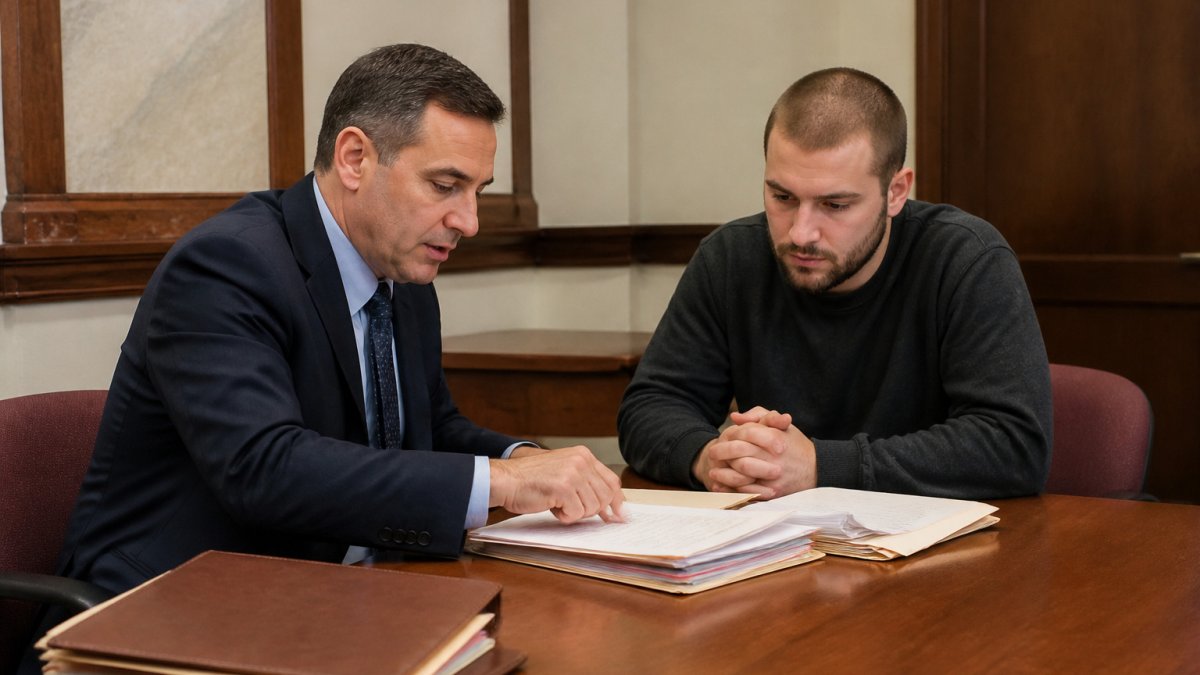
The prosecution must show that a crime occurred and that there is reason to believe you committed it. A defense attorney can cross-examine witnesses and test the officer’s account. (Source: the Federal Rules of Criminal Procedure)
- Prosecution presents evidence: Often through police testimony and documents.
- Defense cross-examines: Your lawyer questions the witnesses about what they saw and did.
- Judge decides: The case may be dismissed, reduced, or held for court.
For more detail on what happens at this stage, read What happens at a preliminary hearing? A Pennsylvania guide.
Call Us Today: (610) 740-4402 →
Reviewing and Challenging the Evidence in a Criminal Case
Strong defenses often depend on how well the evidence holds up. Prosecutors build cases from witness statements, physical evidence, digital records, and forensic or medical reports.
Witness credibility and identification. Eyewitnesses can be mistaken, especially under stress, in poor lighting, at a distance, or after a brief look.
Digital evidence. Phone location data, text messages, call records, social media posts, and surveillance video are common in violent crime cases. Each has limits.
Forensic evidence. DNA, ballistics, and other laboratory results deserve scrutiny. Questions include whether the sample was properly collected and stored, whether the laboratory followed accepted protocols, and whether the conclusion is stated more strongly than the underlying data supports.
Medical evidence. Hospital records and injury reports can be important in assault cases.
- Unlawful search or seizure: Evidence obtained without proper legal authority may be subject to a suppression motion.
- Chain of custody: Gaps in how physical evidence was handled can raise doubt about whether it is what the prosecution claims.
- Missing evidence: Failure to collect or preserve video, records, or physical items can help the defense, and in some situations the loss of evidence raises its own legal issues.
- Statements and confessions: How a statement was obtained, whether warnings were given, whether questioning was custodial, can be challenged.
Defense strategy depends on the specific charge and the evidence. For a deeper look at how trial preparation works, read Preparing for a criminal trial: a Pennsylvania defendant’s guide. If weapons are part of the case, see strategies for defending gun-related charges.
The strongest evidence challenges usually come from the details: how an identification was conducted, how data was preserved, and how a laboratory reached its conclusion. Ask your attorney which pieces of evidence in your case can actually be tested, not just disputed.
Self-Defense and Defense of Others Under Pennsylvania Law
Self-defense and defense of others can be legal defenses to a violent crime charge in some situations. The question is whether the force used was justified by the circumstances as they reasonably appeared at the time. Outcomes depend on the facts of each case.
Defenses involving firearms or other weapons raise additional issues. A lawyer must examine who started the confrontation, whether a threat existed, and whether the response was proportionate. For a closer look at these charges, see strategies for defending gun-related charges.
Mistaken identity and insufficient evidence are also common defenses. If the prosecution cannot prove identity or the required elements of the offense, the case may fail.
Choosing Your Next Step for a Violent Crime Defense in Lehigh and Northampton Counties
Choosing the right defense starts with an honest look at the charge, the evidence, and your goals. Some cases are resolved through negotiated pleas, while others are won at trial. Your attorney should explain both paths and the risks of each.
Donohue Law, LLC serves clients in Lehigh County and Northampton County, including Allentown, Bethlehem and Easton. Michael J. Donohue is a former prosecutor and former public defender with extensive courtroom experience, including more than 40 first-chair jury trials and more than 60 bench trials.
If you or a family member has been charged, do not wait. Early action can help preserve evidence and protect your rights.
Frequently Asked Questions
What should you do after being charged with a violent crime?
Stay calm, avoid discussing the case with police, friends or on social media, and contact a criminal defense attorney as early as possible. Early involvement matters because evidence can be lost, witnesses’ memories fade, and statements made before counsel is involved can later be used against you. An attorney can advise you on bail, explain the charges, and begin reviewing what the prosecution has. Outcomes depend on the facts and circumstances of each case, so an individual consultation is the right next step.
How does a preliminary hearing work in a Pennsylvania criminal case?
A preliminary hearing is held before a magistrate or judge to determine whether the Commonwealth has enough evidence to send the charges forward to the Court of Common Pleas. The prosecution must present evidence on each element of the offense, and the defense may cross-examine its witnesses. Because the standard is lower than at trial, many cases move forward, but the hearing still gives the defense a chance to test the prosecution’s account early. Whether it helps your case depends on the specific charges and evidence.
What evidence can help defend against a violent crime charge?
Evidence that can help includes video footage, phone records, medical records, witness statements and physical evidence that conflict with the prosecution’s version of events. Challenges may also target how evidence was collected, including whether a search was lawful under constitutional protections. Forensic and digital evidence sometimes contains errors that a defense attorney can identify. The value of any particular evidence depends on the charge and the facts of the case.
Can you defend yourself if you were provoked?
Pennsylvania law allows self-defense in some circumstances, but the rules are specific and depend on whether the force used was reasonable under the facts known at the time. Provocation can affect how a court or prosecutor views the situation, and it may be relevant to certain charges. Whether a defense applies to your situation depends on the specific facts, so an attorney should review the details of the incident with you.