Last Updated: October 28, 2026
Quick Summary
The strongest theft charges defense in Pennsylvania targets an element the prosecution must prove beyond a reasonable doubt, such as criminal intent, identity, consent, ownership, or the alleged value of the property. Because theft is graded by value, a challenge to the amount alleged can also change exposure. Evidence like surveillance footage and witness statements should be tested early.
- Theft under Title 18 requires proof of each element, including intent to deprive the owner of property.
- Lack-of-intent defenses examine whether a mistake or forgotten payment explains the conduct.
- Mistaken identity and ownership or consent disputes each need their own supporting evidence.
- Grading depends on alleged value, so challenge whether retail or replacement figures reflect actual loss.
- Preserve surveillance footage, receipts and witness contacts promptly, and avoid statements before speaking with counsel.
Table of Contents
- How Theft Charges Work Under Pennsylvania Law
- Lack of Intent Theft Defense: Proving You Did Not Mean to Take Property
- Mistaken Identity Theft Defense and Other Factual Disputes
- Challenging Theft Evidence: Surveillance, Witnesses and Digital Records
- What to Do After a Shoplifting Accusation
- How Property Value and Charge Grading Affect Your Exposure
- Plea Negotiations, Trial and Record Relief Options
- Speaking With a Lehigh Valley Criminal Defense Attorney About Your Theft Charge
- Frequently Asked Questions
How Theft Charges Work Under Pennsylvania Law
Theft in Pennsylvania is not one offense but a family of offenses under Title 18 of the Pennsylvania Consolidated Statutes, and in any theft charges defense the prosecution must prove each element beyond a reasonable doubt.
Charge grading depends on facts such as the value of the property and the manner of the taking, so the same conduct can lead to very different exposure. The specific grading thresholds and penalties should be confirmed against the current statute, Pennsylvania Consolidated Statutes, Title 18 Crimes and Offenses, because a figure that is out of date can mislead you about your risk.
Lack of Intent Theft Defense: Proving You Did Not Mean to Take Property
Intent is often the most contested element in a theft case. A person who picked up an item by mistake, forgot to pay for something in a crowded store, or believed property was theirs to take may lack the criminal intent the prosecution must prove.
Intent is rarely proven by a single piece of evidence, so a theft charges defense often examines how each fact supports or undercuts the inference the prosecution relies on. Prosecutors often rely on inference, so the defense examines whether the inference is reasonable.
Mistaken Identity Theft Defense and Other Factual Disputes
Some theft cases turn on who was involved rather than what happened. Misidentification by a store employee, a poor-quality photo lineup, or an assumption based on clothing or appearance can all lead to a charge against the wrong person.
Each of these defenses requires its own evidence. Ownership disputes may be supported by receipts, shared-account records or testimony. Consent may be shown through messages or the relationship between the parties.
Challenging Theft Evidence: Surveillance, Witnesses and Digital Records
Modern theft cases frequently rely on surveillance footage, store records, phone data and witness statements. Each source has limits. Video may be low resolution, incomplete or missing key angles.
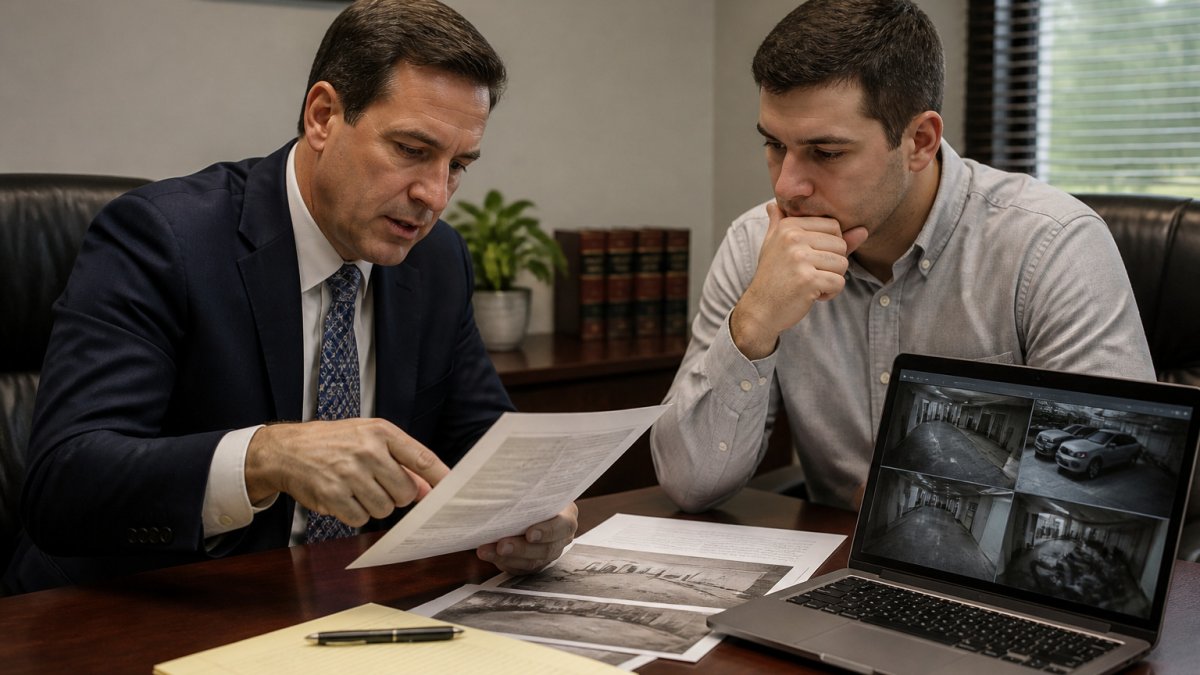
A careful defense tests each source. The attorney may examine whether a witness had a clear view or a motive to identify the accused. Challenging how evidence was gathered can also matter, including whether a search or seizure complied with constitutional requirements.
Evidence Preservation Checklist for the Accused
If you have been accused of theft, these steps can help protect evidence that may matter to your defense:
- Write down what happened, the time and the place, while your memory is fresh, and share it only with your attorney.
- Save receipts, bank statements, texts and emails that relate to the property or the transaction.
- Identify witnesses who saw what happened and get their contact details.
What to Do After a Shoplifting Accusation
Being stopped or confronted by store security can be frightening, and what you say in that moment can affect your case.
Afterward, contact a criminal defense attorney promptly. Early involvement can help secure footage, identify witnesses and address any citation or summons before deadlines pass. Do not assume a shoplifting accusation is minor, because a conviction can carry lasting consequences for employment and records.
How Property Value and Charge Grading Affect Your Exposure
Theft in Pennsylvania is graded by the value of the property and by the circumstances of the taking. The value the Commonwealth alleges is not a formality, it is an element the prosecution must prove.
Under 18 Pa.C.S. § 3903, theft is generally graded on a scale that runs from summary offenses for the smallest amounts, through misdemeanors of the third, second and first degree, up to felony of the third, second and first degree as the alleged value rises. Because the thresholds are set by statute and have been amended over time, the current figures should be confirmed against the Pennsylvania Consolidated Statutes, Title 18 Crimes and Offenses rather than assumed from an older summary.
How the Commonwealth Proves Value
Proof of value may include retail price tags, replacement-cost estimates, store inventory records, and testimony from the owner about what was paid. Each method may be examined:
- Retail price versus fair market value. A store may claim the full sticker price for an item that was on clearance, used, or already discounted.
- Replacement cost versus actual loss. An estimate to replace property is not always the same as the value of what was taken.
- Bundled or aggregated values. Prosecutors sometimes add multiple items or multiple incidents together to push a case into a higher grade. Whether aggregation is proper depends on the statute and the facts.
Why Grading Matters Beyond the Sentence
Grading affects more than the maximum penalty. It may be relevant to diversion options, collateral consequences for employment or licensing, and plea negotiations.
Ask your attorney to discuss how the grading rules relate to the facts the Commonwealth can prove. If the alleged value is wrong, raise that issue with counsel.
Donohue Law, LLC represents individuals charged with theft and shoplifting in Lehigh County and Northampton County, including Allentown, Bethlehem and Easton. Outcomes depend on the facts and circumstances of the individual case, and no result can be guaranteed.
Call Us Today: (610) 740-4402 →
The article ties the value alleged and the circumstances of the taking to how a theft charge is graded, and it names several ways the Commonwealth may try to prove value.
| Proof method | What to examine | Why it matters |
|---|---|---|
| Retail price tags | Clearance or discounted status | Sticker price may overstate value |
| Replacement-cost estimates | Compare to actual loss | Replacement cost is not always actual loss |
| Bundled or aggregated values | Whether aggregation is proper | Can push a case into a higher grade |
| Owner estimates | Treated as testimony, not appraisal | Can be challenged |
Plea Negotiations, Trial and Record Relief Options
The path in Pennsylvania criminal court may run from a preliminary hearing through formal arraignment, discovery, pretrial motions, and then either a negotiated resolution or trial.
Plea Negotiations and Charge Reduction
A negotiated resolution can take several forms: a plea to a lesser-graded theft offense, a plea to a related offense such as receiving stolen property, an agreement on sentencing, or admission into a diversion program. The strength of the Commonwealth’s evidence, the accuracy of the alleged value, the client’s prior record, and the victim’s position all shape what is realistically available.
ARD and Other Diversion Options
Pennsylvania’s Accelerated Rehabilitative Disposition program, commonly called ARD, is available for certain first-time and lower-level offenders at the discretion of the district attorney (Pennsylvania Code). ARD typically involves a period of supervision and conditions, and successful completion can lead to dismissal and expungement. Eligibility rules vary by county and by charge, and theft cases are not automatically eligible. Whether ARD is a realistic option depends on the grading of the charge, the defendant’s record, and the policies of the district attorney’s office handling the case.
Trial
If the case goes to trial, the prosecution must prove every element beyond a reasonable doubt. Theft trials may involve issues of intent, identity, or value. Trial is not the right choice in every case, but it is an option to discuss with counsel in light of the evidence.
Collateral Consequences and Record Relief
A theft conviction can affect employment, professional licensing, housing, and, for non-citizens, immigration status. These consequences often matter more to clients than the sentence itself, and they should be part of the strategy from the first meeting, not an afterthought.
Do not assume a theft charge will “just go away” or that a conviction can be sealed later. Record relief in Pennsylvania is limited, and the time to protect the record is during the case, not after it.
Donohue Law, LLC represents individuals charged with theft in Lehigh County and Northampton County, including Allentown, Bethlehem and Easton. Outcomes depend on the facts and circumstances of the individual case, and no result can be guaranteed.
Speaking With a Lehigh Valley Criminal Defense Attorney About Your Theft Charge
A consultation can help you discuss how these defenses might apply to your situation. You can contact Donohue Law, LLC to discuss the charge and your options, or review the firm’s theft and shoplifting defense services to see how the firm approaches these cases.
Many people also want to understand whether they need counsel at this stage, which is covered in Do I Need a Lawyer for Theft? A Guide for Your Case. You can also read Criminal Defense Lawyer Consultation: A How-To Guide to learn what to expect when you reach out. For background on the attorney’s experience, see Michael Donohue’s attorney profile.
Frequently Asked Questions
How do you beat a theft charge in Pennsylvania?
There is no single approach that works in every case. Theft charges are often contested on the elements the prosecution must prove, such as whether the accused intended to deprive the owner of the property, whether the accused had a claim of ownership or permission, and whether the evidence actually places the accused at the scene. Which defenses fit the facts depends on the circumstances of the case. Outcomes depend on the specific circumstances of each case, so a confidential consultation is the practical first step.
What is the best defense to a shoplifting accusation?
The defenses most often reviewed in shoplifting matters include lack of intent to steal, a mistaken belief that the item was paid for or authorized, and a challenge to whether the evidence, including store video and staff observations, reliably shows what happened. Which defense is strongest depends on the store’s documentation, the statements made at the time, and whether any items were actually concealed or removed from the store. No defense is guaranteed. Consider speaking with a lawyer before you speak with store security or police.
Can a theft charge be challenged if there was no intent to steal?
Yes. Intent is an element the prosecution generally must prove for a theft offense, so a lack of intent to deprive the owner of property can be a central issue in the defense. Intent is usually inferred from conduct and surrounding circumstances, which makes evidence such as the accused’s explanation, timing, and whether the property was returned or paid for important. Whether the prosecution’s evidence supports the required intent depends on the facts of the particular case.
How can mistaken identity affect a theft case?
Mistaken identity becomes an issue when the evidence used to connect the accused to the offense is uncertain, such as blurry surveillance footage, a single eyewitness, or a photo lineup conducted in a way that may have influenced the identification. The identification process, other people present, and the timeline may be relevant to the accusation. Because these issues depend heavily on the actual evidence, a lawyer should review the full file before drawing conclusions.
What evidence can challenge a theft allegation?
Evidence that may be challenged includes surveillance video, store loss-prevention reports, witness statements, receipts and inventory records, and any statements the accused made to store staff or police. Gaps in the chain of custody, inconsistencies between witness accounts, and missing or incomplete video can all affect how much weight the evidence carries. Preserving your own records, such as receipts, messages and calendar entries, may be relevant to the case.
What should you do after being accused of shoplifting?
Stay calm, avoid making admissions or signing documents without advice, and do not try to argue your way out of the situation with store staff. Write down what you remember as soon as you can, including the time, the people involved and any receipts or items you were carrying. Keep any receipts, bags or messages that relate to the purchase. Consider contacting a criminal defense attorney before charges are filed or a case moves forward in court.
How does the Pennsylvania criminal court process work for a theft charge?
A theft case typically begins with an arrest or a criminal complaint and may proceed through arraignment, a preliminary hearing before a magisterial district judge, and then arraignment in the Court of Common Pleas if the case is held for court. Procedures and timing vary by county, and Lehigh County and Northampton County each have their own local practices. An attorney can explain the specific steps that apply to your case and the decisions that may need to be made at each stage.
When should you contact a criminal defense lawyer about a theft charge?
Contact a lawyer as soon as you learn you are under investigation, have been arrested, or have received a summons or charging document. Consider contacting counsel before important decisions are made. Donohue Law, LLC represents clients in Lehigh County and Northampton County, and you can contact the firm through its Contact page to discuss your situation.