
Table of Contents
- Why a Criminal Defense Lawyer Consultation Matters
- Former Prosecutor Criminal Defense Attorney Benefits
- Criminal Defense Lawyer Consultation Checklist: What to Bring
- What to Ask a Criminal Lawyer Before Hiring
- Understanding Pennsylvania Preliminary Hearing Procedure
- How to Evaluate Your Criminal Defense Attorney
- Schedule Your Free Consultation Today
- Conclusion
- Frequently Asked Questions
Last Updated: September 30, 2026
Why a Criminal Defense Lawyer Consultation Matters
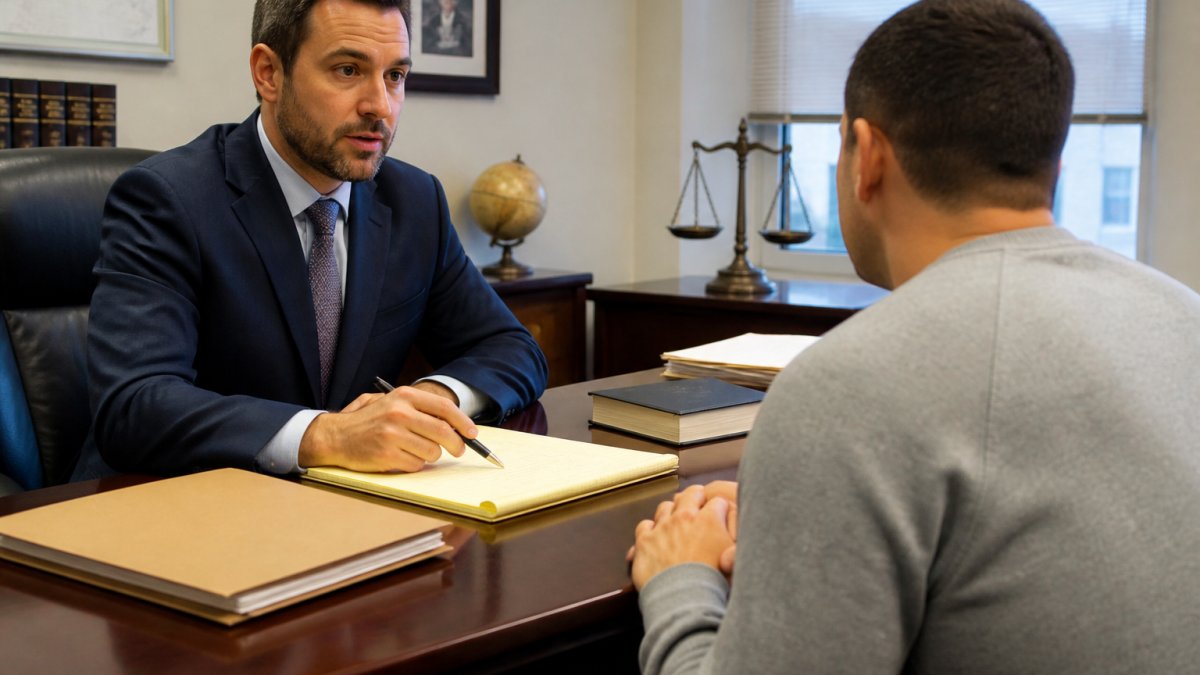
A criminal charge changes everything. Whether you’re facing a DUI, drug offense, theft charge, or something more serious, the decisions you make in the first days after arrest directly affect your future. A criminal defense lawyer consultation is where those decisions begin.
You need someone who understands Pennsylvania law, knows how the courts in your county work, and can evaluate your specific situation with real legal experience.
At Donohue Law, LLC, we help people in Lehigh County and Northampton County understand their charges, their options, and what happens next. The consultation is your chance to ask the questions that matter most and get honest answers about your case.
Former Prosecutor Criminal Defense Attorney Benefits
An attorney who has worked on both sides of the criminal justice system understands how the district attorney’s office thinks, what evidence they’ll pursue, and where cases are strongest or weakest.
Michael J. Donohue brings both backgrounds to every case, as a former Delaware County assistant district attorney prosecuting criminal cases and as a former Delaware County assistant public defender defending them.
It means the attorney has actually sat where the prosecutor will sit and knows their playbook, which defenses work, and where weaknesses in the state’s case might be hiding.
This background also means realistic expectations. A former prosecutor won’t oversell your case or promise outcomes that depend on luck. He’ll tell you what’s possible based on the facts, the law, and how Pennsylvania courts actually operate.
Criminal Defense Lawyer Consultation Checklist: What to Bring
The more organized you are, the more the attorney can help you. Here’s what to bring.
Documents to Gather Before Your Meeting
Bring the citation or arrest warrant, criminal complaint, charging documents, police reports, and any discovery from the district attorney. Include written communication from law enforcement, the prosecutor’s office, or the court.
Bring documentation about your background: employment records, educational history, community involvement, and any prior criminal history. For specific charges (DUI, drug search, theft), bring related documents, text messages, emails, receipts, photos, or witness contact information.
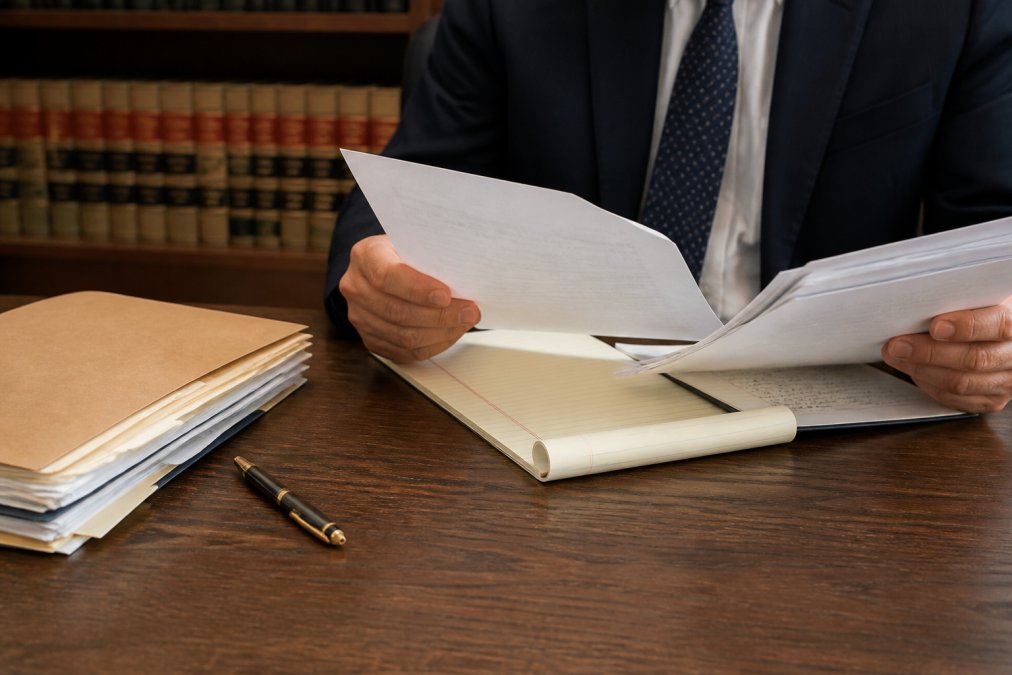
Bring your identification and insurance information if applicable. If you’re unable to pay for representation, bring financial documents showing your income and expenses, this information is relevant to bail hearings and legal representation options.
Information About Your Arrest or Charges
Write down a timeline: when police arrived, what they said, what you said, what they searched, and what they seized. The point is to give the attorney the basic facts as you remember them.
Write down the location, time, and names of officers involved. Bring names and contact information of any witnesses. Note whether you were read your rights and whether you answered questions.
Bring information about any statements you made to police, whether you talked to them, signed anything, or refused to answer questions.
For charges involving a vehicle, property, or substances, bring documentation about ownership, authorization, or your relationship to the item. For a DUI, bring information about where you were, what you consumed, and relevant medical history.
What to Ask a Criminal Lawyer Before Hiring
The consultation is a two-way conversation. You’re evaluating whether this attorney is right for your case. Ask the questions that matter most to you about the attorney’s experience and the practical realities of representation.
Questions About Experience and Track Record
Ask how long the attorney has been practicing criminal defense in Pennsylvania and about experience with your type of charge, DUI, drug charges, theft, violent crimes, or weapons charges. Ask whether they’ve tried cases to verdict or primarily negotiate plea agreements.
Ask about their experience in Lehigh County and Northampton County courts, which have their own procedures, judges, and local practices.
Questions About Your Specific Charges
Ask the attorney to explain the charges in plain language, what the prosecution must prove, potential penalties, and possible outcomes, conviction, acquittal, plea deal, or diversion programs like ARD.
Call Us Today: (610) 740-4402 →
Questions About Cost, Fees, and Payment Options
Ask how they charge, flat fee, hourly, or retainer. What’s included: preliminary hearing, pretrial motions, trial preparation, trial, and appeals? What happens if the case takes longer than expected?
Questions About Communication and Your Role
Ask how the attorney will communicate with you, whether you have direct access, and how quickly you can expect responses. Criminal cases move quickly, and you need to reach your attorney when urgent issues arise.
Red Flags to Watch For
Be cautious of any attorney who:
- Guarantees an outcome. No attorney can guarantee you’ll win or receive a specific sentence. Criminal law is unpredictable and depends on many factors beyond any attorney’s control.
- Rushes you into a decision. You should have time to think about whether this attorney is right for you.
- Won’t discuss fees clearly. You should leave understanding exactly what representation costs and what’s included.
- Doesn’t ask detailed questions about your case. A good attorney listens and asks questions to understand the facts, your background, and your priorities.
- Seems unprepared or unfamiliar with local courts. If the attorney doesn’t know local court procedures, judges, or prosecutors in your county, they’ll be less effective.
Making Your Decision
After the consultation, take time to think about whether this attorney is right for you. Consider their experience, their communication style, their understanding of your case, and whether you trust them. Criminal defense is personal, you’re sharing sensitive information and trusting this person with your future. You should feel confident in your choice.
Understanding Pennsylvania Preliminary Hearing Procedure
The preliminary hearing is a critical early stage in most criminal cases in Pennsylvania. Understanding what it is, when it happens, and what your attorney’s strategy should be will help you prepare and make informed decisions about your defense.
What a Preliminary Hearing Is and Why It Matters
In Pennsylvania, if you’re charged with a felony, you have a right to a preliminary hearing before a district judge where the prosecution must present enough evidence to show probable cause. If the judge finds probable cause, your case moves to the Court of Common Pleas. If the evidence is insufficient, charges may be dismissed.
Timing and Procedure in Local Courts
In Lehigh County and Northampton County, the preliminary hearing typically must be held within 10 days of arrest if you’re in custody, or within a reasonable time if released.
Discovery and What You’re Entitled to Know
Before the preliminary hearing, you’re entitled to discovery, police reports, witness statements, physical evidence descriptions, and other materials the prosecution intends to use. However, timing and completeness vary.
Strategic Decisions: Challenge or Preserve?
Challenge Strategy: If evidence is weak, your attorney may cross-examine aggressively, call witnesses, or challenge evidence admissibility to expose holes in the prosecution’s case. This works best when there are clear problems, illegal search, weak identification, missing chain of custody, or factual disputes.
Common Issues and Defenses Raised at Preliminary Hearing
Search and Seizure Issues: If evidence was obtained through an illegal search or seizure, a traffic stop without reasonable suspicion, a search without a warrant or consent, or a search exceeding authorized scope, your attorney can challenge admissibility. If the prosecution’s case depends on illegally obtained evidence, the case may be dismissed or weakened.
What Happens After Preliminary Hearing
If the judge finds probable cause, your case moves to the Court of Common Pleas for arraignment, pretrial conferences, and eventually trial or plea negotiations.
How to Evaluate Your Criminal Defense Attorney
After the consultation, consider: Do you trust them? Do they understand your case and ask detailed questions? Are they realistic about outcomes? Do they explain things clearly? Do they have experience in your county and with your type of charge?
Schedule Your Free Consultation Today
Your first step is a conversation with an experienced criminal defense attorney. Donohue Law, LLC offers a consultation where you can discuss your charges, ask questions, and learn your options. Call (610) 740-4402 to schedule. We represent clients in Lehigh County and Northampton County, including Allentown, Bethlehem, and Easton.
Conclusion
A criminal defense lawyer consultation gives you the information and perspective you need to protect yourself. Donohue Law, LLC has helped people facing criminal charges understand their rights and develop a defense strategy. Whether you’re facing a DUI, drug charge, theft accusation, or violent crime charge, a consultation is the first step toward effective representation.
Frequently Asked Questions
What should I bring to a criminal defense lawyer consultation?
Bring any documents related to your arrest or charges: the citation, arrest warrant, court paperwork, police reports if available, and any correspondence from the prosecutor’s office. Include personal identification and information about your employment and family situation. Write down the date and location of your arrest, the name of the arresting officer if you know it, and a timeline of events. Having these materials organized shows your attorney the full picture and helps them give you accurate advice about your case.
How does a former prosecutor help in a criminal defense case?
A former prosecutor understands how the other side thinks and builds cases. They know what evidence the prosecution will pursue, what arguments they’ll use, and which weaknesses in their case are most exploitable. This insider perspective helps shape defense strategy, identify procedural errors, and anticipate the prosecution’s next moves.
What is the difference between a preliminary hearing and a trial in Pennsylvania?
A preliminary hearing is an early court appearance where the prosecution must show probable cause that you committed the crime. It’s not a trial on guilt or innocence. The judge decides whether enough evidence exists to proceed with the case. A trial is where guilt or innocence is determined by a judge or jury based on all evidence presented. At a preliminary hearing, your attorney can cross-examine prosecution witnesses and challenge weak evidence. Many cases are resolved or significantly weakened at the preliminary hearing stage.
How do I choose the best criminal defense attorney in Lehigh County?
Look for an attorney with substantial courtroom experience, not just settlements. Ask how many jury trials and bench trials they’ve conducted. Find out if they specialize in your type of charge, DUI, drug offenses, violent crimes, or theft. Check whether they’re a former prosecutor or public defender, as this background matters. Meet with the attorney personally to assess whether you trust them and feel they understand your situation. Verify they’re available to handle your case actively, not delegate it to junior staff.