
Table of Contents
- Understanding Gun Charges Under Pennsylvania Law
- What to Do Immediately After a Gun Charge Arrest
- Gun Charge Preliminary Hearing: Your First Court Appearance
- Gun Charge Search and Seizure Defense Strategies
- Firearm Possession by a Prohibited Person: Defense Options
- Building Your Defense Strategy and Case Evaluation
- Protecting Your Rights and Future After a Gun Charge
- Frequently Asked Questions
Last Updated: October 18, 2026
Understanding Gun Charges Under Pennsylvania Law
A gun charge legal defense starts with understanding what you’re facing under Pennsylvania law. Each carries different penalties and different defense strategies. (Source: Pennsylvania’s Uniform Firearms Act)
Pennsylvania’s firearms laws are found in the Crimes Code. The state distinguishes between who can legally possess a firearm, how it can be carried, and what happens when a gun is involved in another criminal act. Your specific charge determines your legal options.
The facts matter enormously. Two people arrested with the same firearm might face completely different charges and outcomes based on where the gun was found, whether a license was valid, or what they were doing at the time.
At Donohue Law, LLC, we represent individuals facing gun and weapons charges in Lehigh County and Northampton County. The strategy that works depends on the details of your arrest, the evidence against you, and your circumstances.
If you’ve been arrested or charged with a gun offense, do not discuss the details with anyone except your attorney. Anything you say can be used against you. Write down the facts you remember, where you were, what happened, what police said, and bring that information to your lawyer.
What to Do Immediately After a Gun Charge Arrest
Your first hours after arrest are critical. What you do, and don’t do, can affect your entire case.
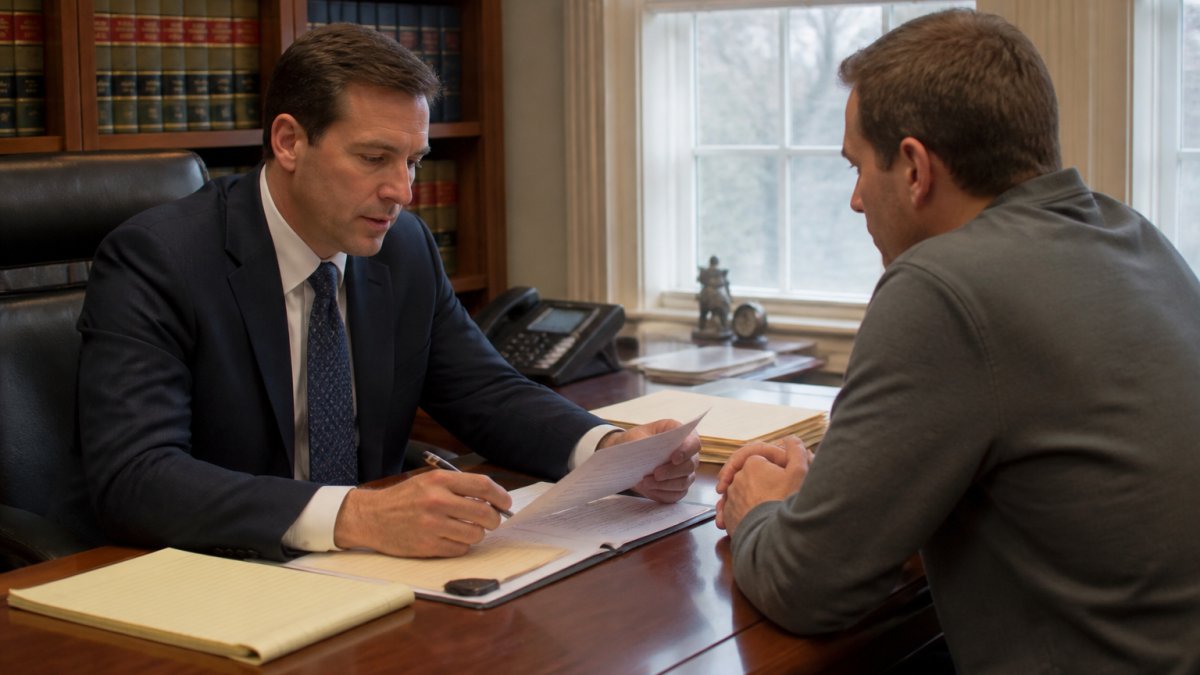
Do not answer police questions without a lawyer present. Police will ask about the gun, where it came from, why you had it, and what you were doing.
Ask for a lawyer immediately. Say the words clearly: “I want a lawyer.” Then stop talking.
Request a bail hearing as soon as possible. After arrest, you’ll be taken to the police station or jail.
Gather information about your arrest. Try to remember:
- Exactly where police found the gun
- What you were doing at that moment
- Whether police asked for permission to search
- Whether they told you why they stopped or arrested you
- The names and badge numbers of officers involved
- Whether anyone else was present
Contact your family or someone you trust. You’re allowed a phone call. Give them the name of a criminal defense attorney or ask them to find one immediately.
Time is working against you. The sooner you have legal representation, the sooner your lawyer can protect your rights and prepare for your preliminary hearing.
Gun Charge Preliminary Hearing: Your First Court Appearance
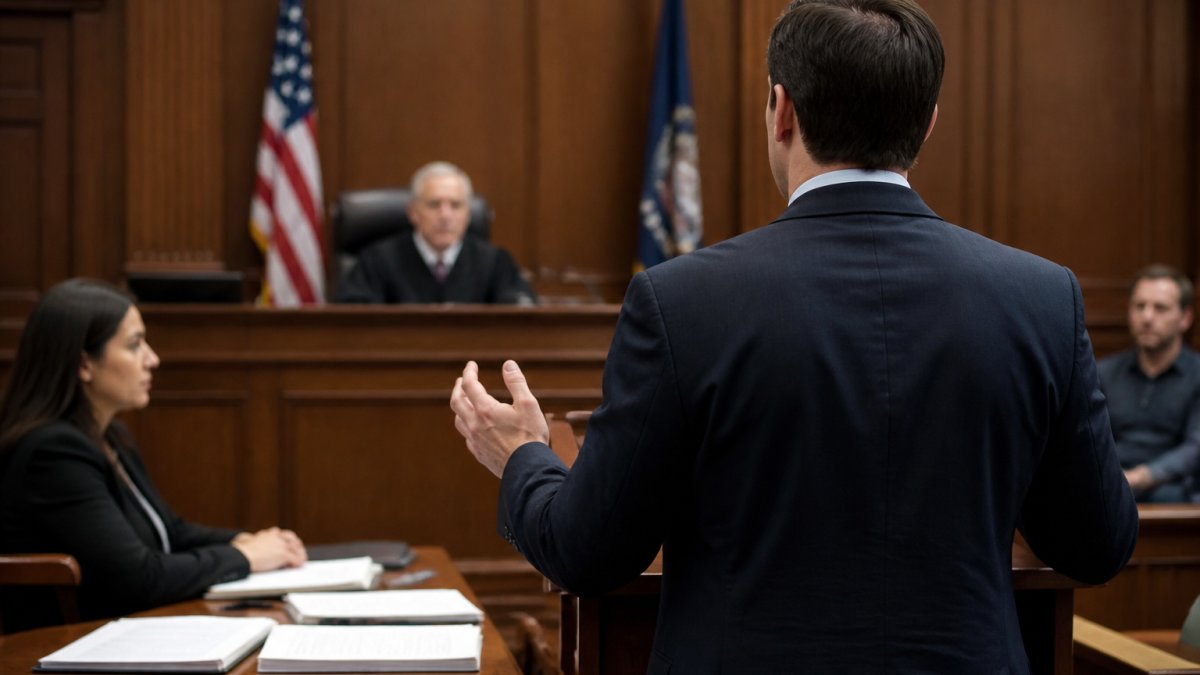
Your preliminary hearing is your first appearance before a judge. It’s not a trial. The prosecution doesn’t have to prove guilt beyond a reasonable doubt.
This hearing serves several purposes. The prosecutor presents evidence. Police testify. Witnesses may testify. Your lawyer can cross-examine them and challenge the evidence. The judge then decides whether probable cause exists. If it does, your case moves to trial court.
What happens at a preliminary hearing:
- The prosecutor calls witnesses, usually police officers
- Officers describe how they found the gun, what they saw, and what you said or did
- Your lawyer questions each witness
- Your lawyer may call witnesses or present evidence challenging the prosecution’s case
- The judge decides if probable cause exists
Your lawyer’s role is critical here. Cross-examination can expose problems in the prosecution’s case early. Maybe the officer didn’t have probable cause to search. Maybe the gun wasn’t actually where police claim. Maybe there’s a gap in the chain of custody.
You have the right to testify at your preliminary hearing, but you usually shouldn’t. Testifying gives the prosecution a chance to lock in your story and cross-examine you. Your lawyer will advise you on whether testifying helps or hurts your case.
A preliminary hearing is not a trial. The judge is only deciding whether probable cause exists, not whether you’re guilty. This is your chance to challenge the prosecution’s evidence early and see what they have against you.
Gun Charge Search and Seizure Defense Strategies
Many gun charges depend on how police found the firearm. If the search was illegal, the gun might be excluded as evidence, and without the gun, the prosecution may not be able to prove the charge.
The Fourth Amendment protects you against unreasonable searches and seizures. Police need a warrant, consent, or a recognized legal reason to search. If they violated that right, your lawyer can file a motion to suppress the evidence.
Common search and seizure issues in gun cases:
- Traffic stop: Police pull you over. Do they have a valid reason? Did they extend the stop longer than necessary? Did they search your car without consent or probable cause?
- Pat-down or frisk: Police pat down your clothing. Did they have reasonable suspicion you were armed or dangerous? Did they go beyond a pat-down?
- Vehicle search: Police search your car or truck. Did they have consent? Did they have probable cause? Was the search incident to a lawful arrest?
- Home search: Police enter your home. Did they have a warrant? Did you consent? Was there an emergency justifying warrantless entry?
- Stop and frisk: Police stop you on the street. Did they have reasonable suspicion of criminal activity? Did they properly conduct a frisk?
How to challenge a search:
Your lawyer files a motion to suppress. This motion argues the search was illegal and the evidence should be excluded from trial. The prosecution must then justify the search. If the judge agrees the search was illegal, the gun is excluded. Without it, the case often falls apart.
Call Us Today: (610) 740-4402 →
This is why the details of your arrest matter. Where exactly were you? What did police say they were looking for? Did they ask permission or just search? Did they have a warrant? Your lawyer needs these facts to build the defense.
Firearm Possession by a Prohibited Person: Defense Options
Pennsylvania law prohibits certain people from possessing firearms. If you’re charged with possession as a prohibited person, the prosecution must prove you knew you were prohibited and knowingly possessed the gun.
Who is prohibited from possessing a firearm in Pennsylvania:
- People convicted of certain felonies
- People subject to protection from abuse orders
- People adjudicated mentally ill or committed to a mental institution
- People with certain drug convictions
- People subject to certain court orders
If you fall into one of these categories, the prosecution will argue you’re prohibited. But they must prove you knew about the prohibition and knowingly had the gun. If you didn’t know, or if the prohibition doesn’t actually apply to you, that’s a defense.
Defense strategies for prohibited person charges:
- You didn’t know you were prohibited. The prosecution must prove you knew. If you genuinely didn’t understand the law or the effect of a prior conviction, that’s a defense.
- The prior conviction or order doesn’t actually prohibit you. Maybe the prior conviction was for a crime that doesn’t trigger the prohibition. Maybe the order expired or was modified. Your lawyer reviews the records.
- You didn’t knowingly possess the gun. Maybe someone else owned it. Maybe you didn’t know it was there. The prosecution must prove knowing possession.
- The prohibition is unconstitutional. Some firearm restrictions have been challenged in court. Your lawyer can raise constitutional arguments if they apply to your case.
The key is that the prosecution must prove every element of the charge, including that you knew you were prohibited. If they can’t prove that knowledge, the charge fails.
If you have prior convictions or court orders, review them carefully with your lawyer. You need to understand exactly what they say and whether they actually prohibit firearm possession. A misunderstanding can lead to charges you didn’t expect.
Building Your Defense Strategy and Case Evaluation
Your defense strategy depends on the specific facts of your case, the evidence against you, and your goals. Some cases are best resolved through negotiation. Others go to trial. Your lawyer evaluates all options.
Key factors in case evaluation:
- The evidence. What does the prosecution have? How strong is it? Are there weaknesses or gaps?
- Search and seizure issues. Was the gun found legally? Can it be suppressed?
- Your background. Prior convictions, employment, family ties, and community connections affect bail, sentencing, and negotiation options.
- The charges. Are you charged with one offense or multiple? Do some charges depend on others?
- Possible outcomes. What are the worst-case and best-case scenarios? What’s realistic?
Your lawyer discusses these factors with you and explains your options. You might negotiate with the prosecution for reduced charges or a favorable plea agreement. You might challenge evidence through motions. You might go to trial.
Questions to ask your lawyer:
- What exactly am I charged with?
- What does the prosecution have to prove?
- What are the possible penalties if convicted?
- Can any evidence be suppressed?
- What are my realistic options?
- What happens if we go to trial?
- What’s your experience with cases like mine?
The attorney you choose matters. You need someone with trial experience and knowledge of Pennsylvania criminal law. Donohue Law, LLC has represented clients facing gun charges in Lehigh County and Northampton County. We evaluate each case individually and explain your options clearly.
Protecting Your Rights and Future After a Gun Charge
A gun charge affects more than just the immediate case. A conviction can impact employment, housing, professional licenses, and your ability to possess firearms in the future.
Collateral consequences of a gun conviction:
- Employment: Many employers conduct background checks. A conviction can disqualify you from jobs, especially in law enforcement, security, healthcare, or positions requiring trust.
- Housing: Landlords may refuse to rent to you. Some housing programs exclude people with felony convictions.
- Professional licenses: If you hold or seek a professional license, a conviction can lead to denial or revocation.
- Firearm rights: A felony conviction permanently prohibits firearm possession. Some misdemeanors also trigger this prohibition.
- Education: Some educational programs and financial aid are unavailable to people with drug or weapons convictions.
- Immigration: If you’re not a U.S. citizen, a conviction can trigger deportation proceedings.
These consequences are why your defense matters. Fighting the charge now protects your future. Even if conviction seems likely, negotiating for a reduced charge or exploring alternative outcomes can minimize long-term damage.
Protecting your rights during the process:
- Never consent to searches of your home, car, or person without a clear reason
- Don’t answer police questions without a lawyer
- Keep all documents related to your case
- Attend all court appearances on time
- Follow all court orders and bail conditions
- Stay in contact with your lawyer
Your lawyer also explores whether alternative programs might be available. In some cases, completion of a program or diversion can result in charges being withdrawn or reduced. These options depend on your specific situation and the charges.
Being charged with a gun offense is serious. The stakes include potential incarceration, a criminal record, and lasting consequences for employment and housing. You need aggressive representation from someone who understands Pennsylvania criminal law and has trial experience. At Donohue Law, LLC, we represent clients facing gun and weapons charges in Lehigh County and Northampton County.
Frequently Asked Questions
What should I do immediately after being arrested on a gun charge?
Stay calm and exercise your right to remain silent. Do not answer police questions without an attorney present. Request to speak with a criminal defense lawyer as soon as possible. Provide only your name and basic identification. Anything you say can be used against you in court. Contact a defense attorney before your preliminary hearing to begin building your case and understanding the charges against you.
Can a gun charge be dismissed if police found the firearm during an illegal search?
Yes. If police violated your Fourth Amendment rights during a search, your attorney may file a motion to suppress the evidence. If the court grants this motion and the firearm is the primary evidence, the charges could be dismissed. This requires proving the search lacked proper warrant or lawful justification. The specific facts of your case determine whether a search and seizure defense applies to your situation.
What happens at a preliminary hearing for a gun charge?
At the preliminary hearing, the prosecution must show probable cause that you committed the offense. The judge hears evidence and witness testimony. Your defense attorney can cross-examine witnesses and challenge the evidence. The judge then decides whether sufficient probable cause exists to send the case to trial. This is your opportunity to test the prosecution’s case early and identify weaknesses that may help your defense strategy.
What are the potential consequences of a gun charge conviction in Pennsylvania?
Consequences depend on the specific charge and your criminal history. Gun charges can result in felony or misdemeanor convictions, incarceration, fines, loss of firearm rights, and a permanent criminal record affecting employment and housing. Some convictions carry mandatory minimum sentences. A criminal record can have lasting collateral consequences beyond court penalties. An experienced defense attorney can explain the specific penalties you face and work to minimize them.